Building an AI Creative Studio the Hard Way (and Why I’d Do It Again)
When I started building what would eventually become a global AI creative studio, I didn’t have a grand master plan, investor decks polished to perfection, or a guaranteed market waiting on the other side. What I had was a conviction: that creativity and technology didn’t have to compete — they could scale each other.
This article isn’t a highlight reel. It’s a practical reflection on what it actually takes to grow an AI startup, lead creative teams through uncertainty, and build something meaningful at scale. These are the lessons we learned the hard way while navigating AI startup growth, hiring globally, and evolving from founder to operator.
From Idea to AI Startup: Start with a Real Problem
Every founder’s journey in an AI company begins with a question. Mine wasn’t “How do we use AI?” — it was “Why is high-quality creative production so slow, expensive, and inaccessible?”
Before Splento became an AI creative studio, it was a service business solving operational pain. That foundation mattered. Many AI startups fail because they lead with technology instead of outcomes. Clients don’t buy models or prompts — they buy clarity, speed, and results.
If you’re building a creative tech company, anchor your product in a real workflow problem. AI should remove friction, not add novelty for novelty’s sake.
Scaling an AI Creative Studio Is Not Linear
One of the biggest startup scaling lessons I learned is that growth never follows a straight line. Especially in creative businesses, scaling introduces tension:
- Between quality and speed
- Between automation and craft
- Between global reach and local nuance
As our AI startup’s growth accelerated, we had to constantly rebalance systems and people. Processes that worked at ten projects broke at fifty. Hiring fast created cultural gaps. Scaling creative teams requires just as much intention as scaling infrastructure.
Growth isn’t about adding more. It’s about deciding what not to multiply.
The Human Layer Is the Product
Here’s a counterintuitive truth: the more advanced our AI became, the more important humans were.
Our AI creative studio only works because creative directors, strategists, and editors shape the output. AI accelerates ideation and execution, but taste, judgment, and storytelling remain human responsibilities.
If you’re building a creative tech company, don’t underinvest in people. The best AI startups I’ve seen treat talent density as a competitive advantage, not a cost centre.
Scaling creative teams means scaling trust
You can’t micromanage creativity. You build frameworks, set standards, and then trust teams to deliver. Leadership in an AI startup is less about control and more about alignment.
What Startup Leadership Looks Like in Practice
Leadership changed for me as the company scaled. Early on, I was everywhere — sales, delivery, hiring, operations. Later, leadership meant stepping back and letting others own decisions.
Here are the most important startup leadership insights I learned:
- Clarity beats charisma – Teams don’t need motivation speeches; they need clear priorities.
- Speed creates confidence – Decisive action matters more than perfect answers.
- Culture scales through behaviour – What you tolerate becomes the standard.
- Systems protect creativity – Good processes don’t kill ideas; they enable them.
- Founders must evolve – The skills that start a company are not the ones that scale it.
This evolution is uncomfortable, but unavoidable if you want sustainable AI startup growth.
Building for Global Scale Without Losing Identity
Going global sounds glamorous until you’re managing time zones, cultural differences, and wildly different client expectations. For an AI creative studio, consistency is everything.
We learned to scale by codifying creative standards while allowing local flexibility. Brand voice, quality benchmarks, and delivery principles stayed universal — execution adapted.
Global doesn’t mean generic. It means intentional design.
The Longest Night Still Has a Turning Point
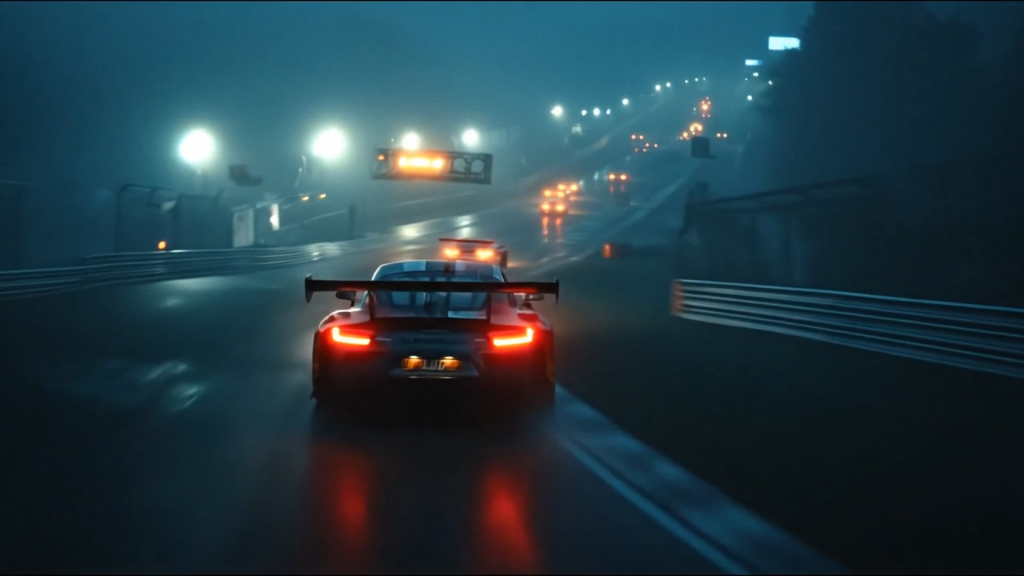
There’s a moment in every founder journey that feels like the winter solstice — the darkest point, when progress slows, and certainty disappears.
Growing up in Estonia teaches you something early: darkness isn’t permanent. After the solstice, days don’t suddenly become bright — they become longer. Slowly, but reliably.
Startup life doesn’t follow neat cycles. When you’re building an AI creative studio, you face unknown unknowns — challenges you couldn’t predict or plan for. There’s no guarantee that today’s low is the lowest point.
And yet, founders keep going for one reason: the belief that direction eventually changes. You may not know when or how — but you trust that movement follows stillness.
I reflected on this idea in more detail in this post.
Why I Still Believe in the AI Creative Studio Model
Despite the challenges, I’m convinced the AI creative studio model is only just beginning. Brands need more content, faster — without sacrificing quality or strategy. AI enables that, but only when paired with experienced creative leadership.
The future belongs to studios that blend technology, storytelling, and operational excellence. Not tool vendors. Not agencies stuck in old models. But adaptive, human-led AI businesses.
That’s what we’re building at Splento AI.

Conclusion: Scaling Is a Responsibility, Not Just a Milestone
Scaling an AI startup isn’t about growth for growth’s sake. It’s about building something resilient enough to outlast hype cycles, platform shifts, and market noise.
The biggest lesson I’ve learned scaling an AI creative studio from zero to global is this: technology amplifies intent. If your intent is shallow, AI will expose it. If it’s thoughtful, AI will scale it.
For founders, operators, and investors, the opportunity isn’t just in AI — it’s in building companies that combine intelligence with integrity.
Follow Our Journey
🔗 Stay up to date with Splento AI— fresh video work, creative experiments, and new ideas as they happen.
🔗 Follow me on LinkedIn for candid reflections and real lessons from building and leading an AI-driven creative studio.
— Roman Grigoriev,
CEO & Founder
Splento